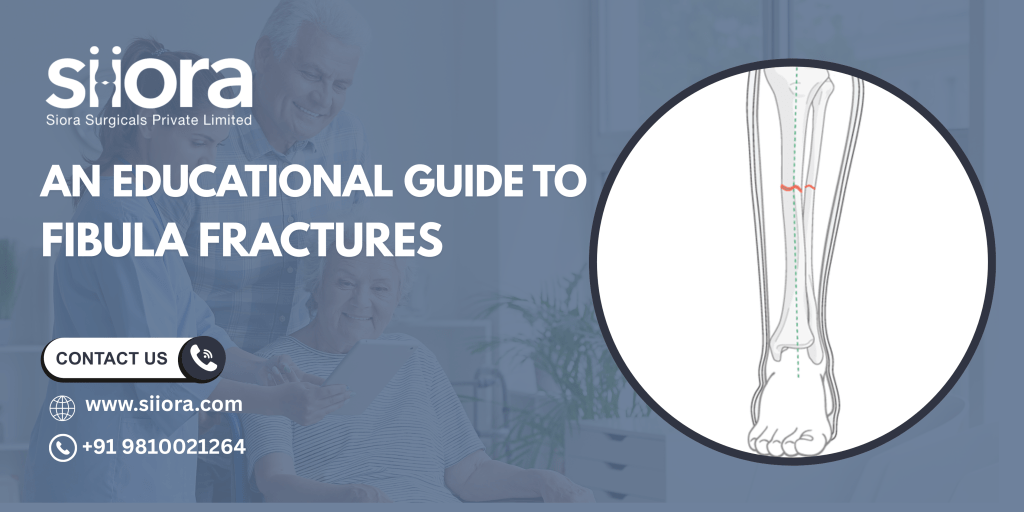
Fibula fractures are common injuries that affect people of all ages, often resulting from trauma, sports injuries, or slips and falls. In many cases, treatment involves modern surgical tools such as the Locking Distal Lateral Fibula Plate, which helps stabilize the bone and promotes proper healing. Understanding the nature of fibula fractures, how they occur, and the available treatment options is crucial for anyone facing this injury or supporting someone who is.
What Is the Fibula?
The fibula is the thinner of the two bones in the lower leg, running parallel to the tibia (shinbone). While it carries less weight than the tibia, the fibula plays an important role in stabilizing the ankle and supporting muscles of the lower leg.
What Are the Causes of Fibula Fractures?
Fibula fractures usually result from:
- Direct trauma, such as a fall or car accident.
- Twisting injuries, commonly seen in sports.
- Overuse can lead to stress fractures in athletes or active individuals.
Fractures can occur anywhere along the fibula: near the knee, mid-shaft, or close to the ankle (distal fibula). The type and location of the break influence the treatment plan.
What Are the Types of Fibula Fractures?
Lateral Malleolus Fracture
This is the most common type, occurring at the distal (lower) end of the fibula near the ankle.
Fibular Shaft Fracture
These mid-bone fractures may occur alone or alongside tibia fractures, depending on the severity of the trauma.
Proximal Fibula Fracture
Less common, these occur near the knee and may be associated with ligament injuries.
Stress Fractures
Tiny cracks caused by repetitive force or overuse often affect runners and soldiers.
What Are the Symptoms of Fibula Fractures?
A fibula fracture typically causes:
- Sharp pain at the fracture site
- Swelling and bruising
- Inability to bear weight
- Visible deformity in severe cases
If the injury involves the ankle or knee joint, movement may be restricted, and the joint may feel unstable.
What is the Diagnosis for Fibula Fractures?
A doctor will perform a physical exam and based on that will order imaging tests:
- X-rays to identify the fracture and its pattern.
- CT scans or MRI in complex cases or when soft tissue damage is suspected.
Accurate diagnosis is essential to determine whether surgery is necessary.
What Treatment Options Are Available for Fibula Fractures?
Non-Surgical Treatment
Many fibula fractures, especially stress or stable distal fractures, heal without surgery. Treatment might include:
- Rest, ice, compression, and elevation (RICE)
- Immobilization with a cast or walking boot
- Physical therapy for rehabilitation
Healing time varies but typically takes 6–8 weeks.
Surgical Treatment
Unstable, displaced, or complex fractures may require surgery. One of the most effective surgical methods is the use of a Locking Distal Lateral Fibula Plate. This device holds the bone fragments together using screws that “lock” into the plate, offering superior stability—especially in patients with poor bone quality or multiple fragments.
Benefits of locking plates include:
- Strong fixation with less disruption to the surrounding tissue
- Faster recovery time
- Reduced risk of malunion (improper healing)
After surgery, patients usually wear a boot or cast and gradually return to weight-bearing activities under medical guidance.
Recovery and Rehabilitation
Rehabilitation is essential, whether the treatment is surgical or not. A structured physical therapy program can:
- Improve range of motion
- Strengthen surrounding muscles
- Restore normal walking patterns
Adhering to medical advice during recovery is critical to avoid complications.
When to Seek Medical Attention?
If you suspect a fibula fracture, seek medical help immediately. Delaying treatment can result in poor alignment, chronic pain, or long-term mobility issues.
Fibula fractures might seem minor compared to other orthopedic injuries, but they require proper diagnosis and management to ensure full recovery. Whether you’re an athlete, a parent, or simply someone dealing with a bad fall, understanding how these fractures work and what treatment involves, like the use of modern orthopedic implants such as the Locking Fibula Plate, can make a huge difference in outcome.
 orthopedicimplantscompany.fitness.blog